Introduction:

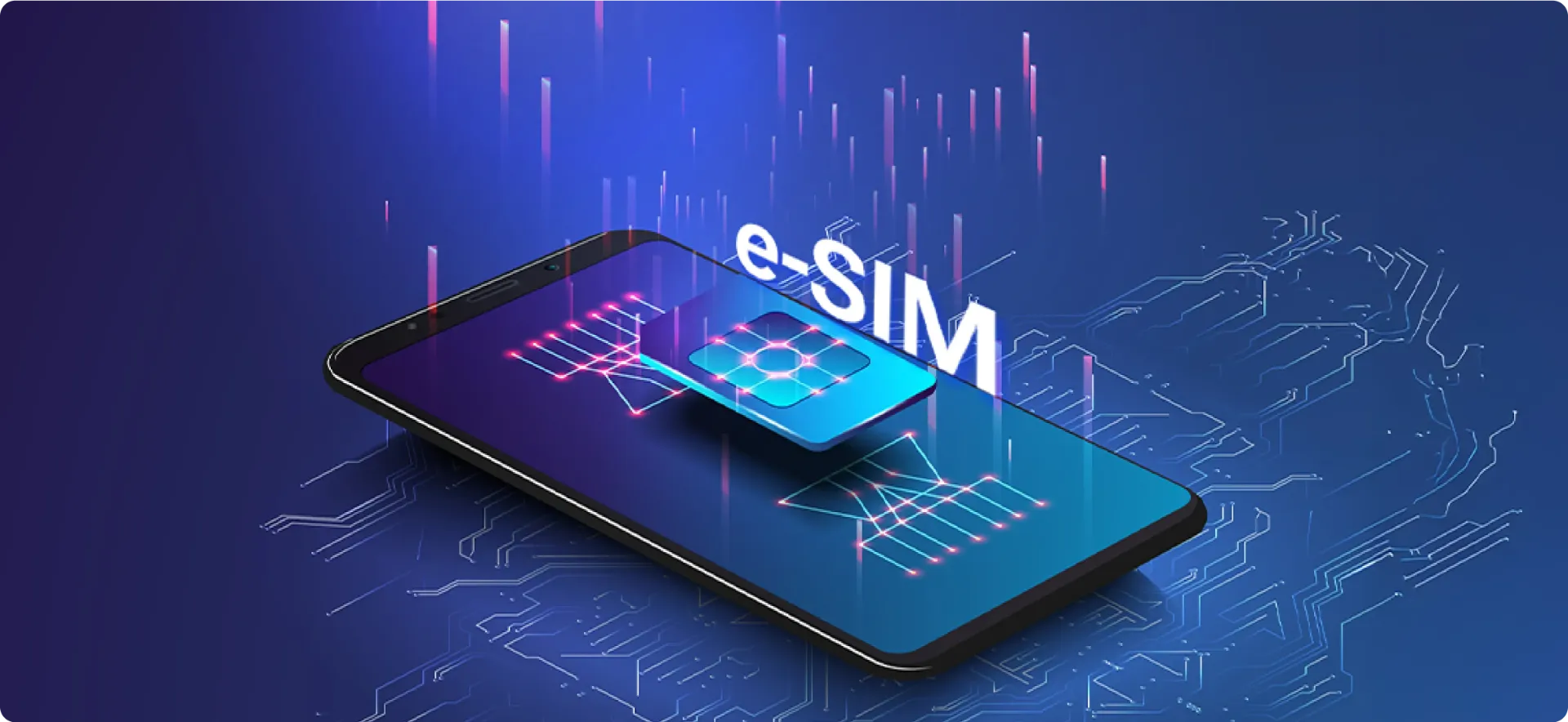
In the rapidly evolving landscape of telecommunications, a groundbreaking development has emerged, promising to significantly transform the way we use and understand mobile connectivity: eSIM technology. Unlike the traditional SIM cards that have been a mainstay in mobile devices for decades, eSIMs, or Embedded Subscriber Identity Modules, are poised to revolutionise the industry, offering unparalleled advantages for both consumers and manufacturers alike.

What is eSIM technology?

An eSIM, short for Embedded Subscriber Identity Module, is a big step forward in mobile tech. It's a digital SIM, which means you can get your phone hooked up to the internet and calls without needing the little physical SIM card that used to be standard. This eSIM is built right into the device when it's made. Its job is just like the old SIM cards, keeping your subscription details safe and connecting you to mobile networks, but it does this in a much handier way. Read More..

Advantages of eSIM technology:

icon1. Simpler Device Setup and Switching
arrow
You don't have to mess about with physical SIM cards anymore. With an eSIM, setting up your device or switching your mobile network can be done quickly, straight from your device's settings. This means you can easily change your plan or operator without having to visit a shop or wait for a new SIM to be posted through your letterbox.
icon2. Handy for Travellers
arrow
For those who love a good holiday or have to travel a lot for work, eSIMs are a blessing. You can switch to a local data plan in the country you're visiting right from your device, avoiding those painfully high roaming charges. It makes staying connected abroad much cheaper and easier.
icon3. More Room for Other Features
arrow
With no need for a physical SIM card slot on your device, manufacturers have got a bit more room to play with. This space can make phones slimmer, increase the battery size, or add new features. It allows for cooler, more efficient designs.
icon4. Better Durability
arrow
Without open slots needed for a SIM card tray, devices can be made more resistant to water and dust. This can lead to phones and other gadgets being more durable over time, so they're less likely to get damaged by the elements.
icon5. Easier Multi-line Management
arrow
If you need more than one phone number (say, one for personal use and another for work), eSIM technology makes this much easier to manage directly on a single device. You can switch between lines without swapping out physical SIMs.
icon6. Environmentally Friendly
arrow
With eSIMs, there's less need for plastic SIM cards and the packaging they come in, which is good news for the planet. It's a small step, but cutting out the physical SIM card process reduces waste and resources used.
icon7. Greater Potential for IoT Devices
arrow
eSIM technology isn't just great for phones; it's also perfect for the Internet of Things (IoT). This means things like smartwatches, car systems, and home security devices can be connected more easily, often without needing to pair with a smartphone. It opens up new possibilities for how these devices can be used and integrated into our daily lives.
icon8. No More Losing Those Tiny SIM Cards
arrow
Anyone who's ever dropped a SIM card while trying to insert or remove it knows how fiddly they can be. With eSIMs, this problem is gone. Everything is digital, so there's no chance of losing a tiny card again.
In simple terms, eSIM technology is making our devices more convenient and environmentally friendly while paving the way for exciting new technological developments.

How eSIM technology is changing the game for devices and carriers:

Alright, let's explore how eSIM technology is shifting things up for both our gadgets and the companies that run mobile networks:

For Devices:

icon1. Creates Slimmer, More Resilient Designs

arrow
Because eSIMs are built into devices, this frees up precious space. This space can now be used for better things, like a bigger battery or more advanced tech. Without a SIM card tray, our gadgets are becoming tougher against water and dirt, making them less likely to get ruined if they tumble into a puddle.
icon2. Improves Device Connectivity
arrow
Thanks to eSIMs, devices like smartwatches, fitness trackers, and even cars can now have their mobile plans. They're no longer just accessories that rely solely on a smartphone connection. This makes them more useful as stand-alone gadgets, especially when you're out for a jog or driving and want to stay connected.
icon3. Facilitates New Types of Devices
arrow
The eSIM's compact and versatile nature allows for entirely new device categories to emerge. Think tiny tracking devices for your valuables, smart clothing with data connectivity, and more – all without the need to slot in a SIM card.

For Carriers (Mobile Network Operators):

icon1. Allows for Flexible Plans and Pricing

arrow
With eSIMs, mobile network operators can offer more dynamic and customized plans that customers can sign up for directly from their devices. This means we might see more competitive pricing and tailored packages that better fit our needs and usage habits.
icon2. Streamlines Customer Service
arrow
eSIMs make it easier for carriers to support customers. If there's no physical SIM to deal with, there's less need for customers to come into a store for help. Issues can often be sorted out with online support, which should save everyone a bit of hassle.
icon3. Reduces Distribution Costs
arrow
Because eSIMs don't require manufacturing, shipping, and storing physical SIM cards, carriers can save a fair bit of money. These savings could be passed on to customers or reinvested into improving network services.
icon4. Promotes Eco-Friendly Practices
arrow
eSIM technology supports the shift toward more sustainable business practices by cutting down on the plastic and paper used in traditional SIM card packaging and production. It's a more eco-friendly approach that aligns with growing environmental concerns.
icon5. Encourages Innovation
arrow
Carriers are now pushed to come up with new ideas and services that tap into the potential of eSIMs. They have the chance to offer things like instant connectivity, bundle services for multiple devices under one account, or even connect a broader range of gadgets – from laptops to IoT devices.
In short, eSIM technology is shaking things up, making our devices more adaptable and feature-rich, while also pushing mobile network operators to reinvent how they offer services and manage relationships with customers. It's an exciting time for technology, with these changes promising much better flexibility and convenience for all of us.

Challenges and Considerations:

Although eSIM technology is indeed changing the game, it's not all smooth sailing. There are a few bumps on the road that need navigating:

icon1. Compatibility and Standardisation
arrow
One of the big headaches is that not all mobile devices support eSIM yet. This can be a bit of a pickle for people wanting to switch to or use devices that aren't on the same tech page. Besides, there needs to be a uniform approach across device makers and networks worldwide to ensure that eSIMs work seamlessly everywhere, which isn't quite the case yet.
icon2. Customer Awareness and Understanding
arrow
Despite the growing buzz around eSIMs, there's still a fair chunk of people who don't know what eSIMs are or how they work. Some might not even be aware that their device supports it. This means there's a big job to do in educating customers, which can take time and resources.
icon3. Transition from Physical SIM Cards
arrow
For many, especially in places where people are used to buying SIM cards from local shops, the shift to eSIM can seem a bit daunting. There's also the question of what happens to those who prefer the option to easily swap physical SIMs, for example, when travelling or wanting to switch between personal and work numbers easily.
icon4. Security Concerns
arrow
Although eSIM technology is designed to be secure, any new technology brings with it new security challenges. Protecting against hacking, ensuring privacy, and safely storing user data are all concerns that carriers and device manufacturers need to address convincingly.
icon5. Regulatory and Policy Issues
arrow
eSIM technology requires a fresh look at existing regulations and policies related to mobile networks and device interoperability. Governments and regulatory bodies worldwide might have different views and rules that could affect how smoothly eSIM technology is adopted and used.
icon6. Economic and Market Impacts
arrow
For mobile network operators, especially smaller or regional ones, the shift to eSIM presents economic challenges. They might need significant investment to update their systems, processes, and perhaps even their business models. This change also shakes up the SIM card production industry, affecting jobs and economies tied to it.
icon7. Device Transfer and Ownership
arrow
One practical issue with eSIMs is when you want to sell or give away your device. Transferring ownership means ensuring the eSIM is properly managed – either by wiping it clean or transferring services, which might not be as straightforward as popping out a physical SIM.
icon8. Technical Support and Troubleshooting
arrow
As with any new technology, teething problems are inevitable. Mobile operators and device manufacturers will need to ramp up their technical support to help customers navigate issues related to eSIM activation, switching plans, or dealing with device-specific eSIM quirks.
Overcoming these challenges will require concerted effort from device manufacturers, network operators, regulators, and other stakeholders in the tech ecosystem. Despite these hurdles, the potential of eSIM technology to revolutionise how we connect and use our devices makes it a journey worth embarking on.

The future of eSIM technology:

The future of eSIM technology is looking rather bright, and it's set to potentially change the telecommunications landscape in some big ways:
icon1. A Truly Global Connectivity
arrow
Imagine popping over to another country and your phone automatically switches to a local network without the faff of swapping SIM cards or facing hefty roaming charges. eSIM technology could make global connectivity seamless, allowing users to switch operators on the go, possibly leading to more competitive pricing and better service everywhere.
icon2. Easier Device Management for Multiple Devices

arrow
As we juggle more smart devices, from phones and tablets to smartwatches and even glasses, managing different plans and numbers becomes a chore. eSIM technology can streamline this, allowing you to manage all your devices from a single interface, potentially with one unified number or account. This simplifies life significantly for both the average user and businesses alike.
icon3. Smart Cities and IoT (Internet of Things) Integration
arrow
eSIM technology is not just about phones. It can be a game-changer for powering smart city innovations and IoT devices, from smart meters to traffic sensors, without the need for complex and bulky hardware setups. This could significantly speed up the deployment of smart technologies in urban areas, making our cities more efficient and responsive.
icon4. Enhanced Security Features
arrow
eSIMs offer improved security over traditional SIM cards. Being embedded, they are less susceptible to physical tampering. Furthermore, advanced encryption and better control over network access can help protect user data more effectively, making eSIM-equipped devices more secure overall.
icon5. Greener Technology
arrow
Moving away from physical SIM cards means less plastic and fewer resources used in manufacturing and shipping. In an age where environmental considerations are paramount, eSIM technology offers a greener alternative that reduces waste and carbon footprint associated with telecoms.
icon6. Easier Device Upgrades and Switches
arrow
With eSIMs, upgrading to a new device or switching between devices could become far simpler. You won't need to physically move a SIM card; rather, transferring your number and plan could be done with a few clicks, making the whole process much smoother and less of a hassle.
icon7. Broadband and Other Services
arrow
The potential of eSIM goes beyond mobile phones. It could revolutionise how we connect to broadband and other services, offering flexibility to switch providers without a technician to visit. This could encourage more competition and improve service standards.
icon8. Customisable Plans and Real-Time Changes
arrow
eSIM technology could enable users to customise their plans in real-time based on their current needs, be it more data for a streaming binge or an international plan for a short trip. This level of flexibility can make mobile plans more user-friendly and cost-effective.
As eSIM technology continues to evolve and gain adoption, it promises to redefine connectivity and convenience in our digital world. It's a space worth watching, as its impact could be profound, touching everything from our devices to how cities operate and evolve.

Conclusion:

Understanding the transformative promise of eSIM technology can seem a bit daunting at first, but it's simple, and it's an innovation that e-SimLife is exceptionally proud to be a part of. Here at e-SimLife, we're more than just a brand; we're a community dedicated to bringing the convenience and efficiency of eSIMs directly to you, making your digital interactions seamless and hassle-free. Read More..